Name the surfaces in the cleaning circuit
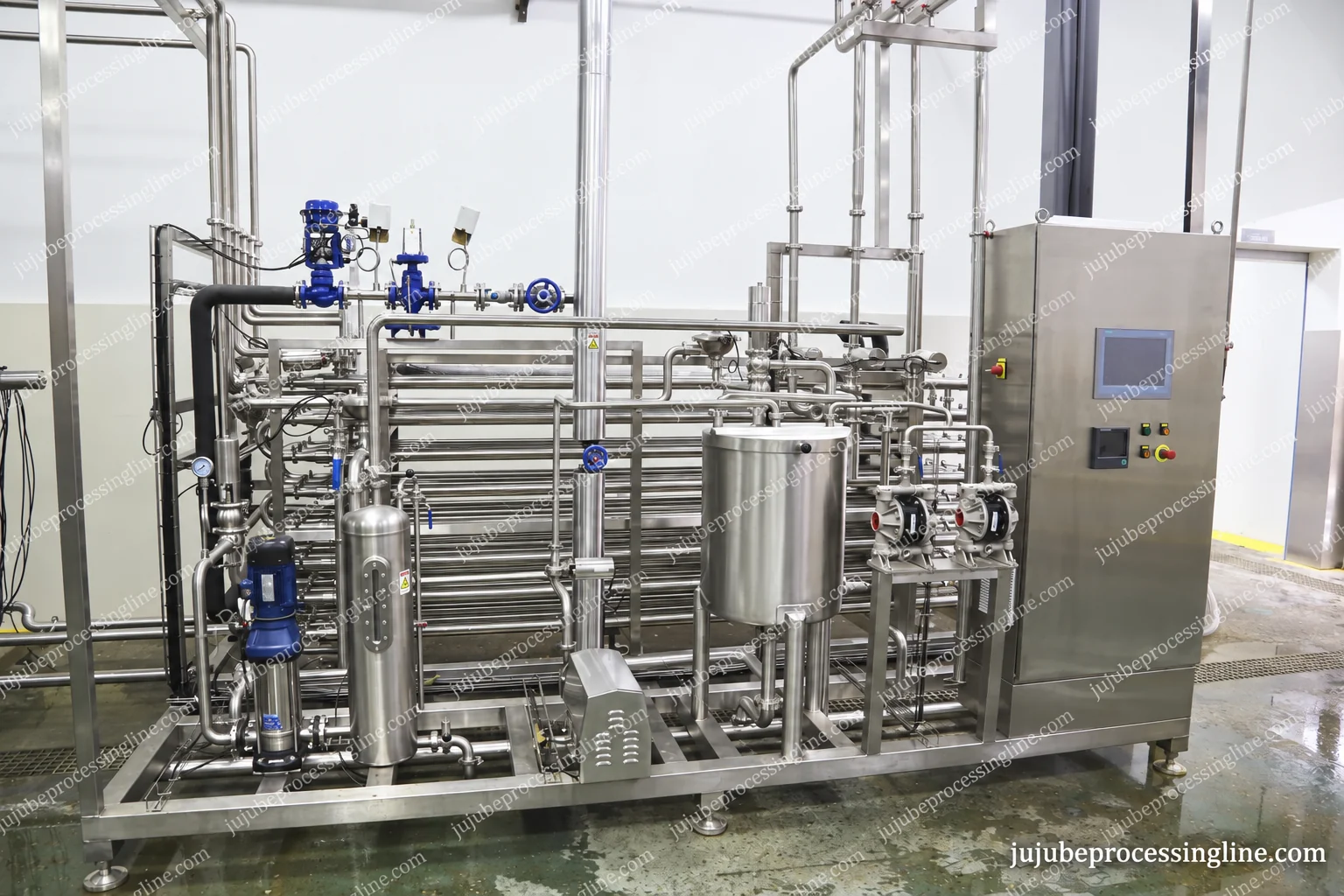
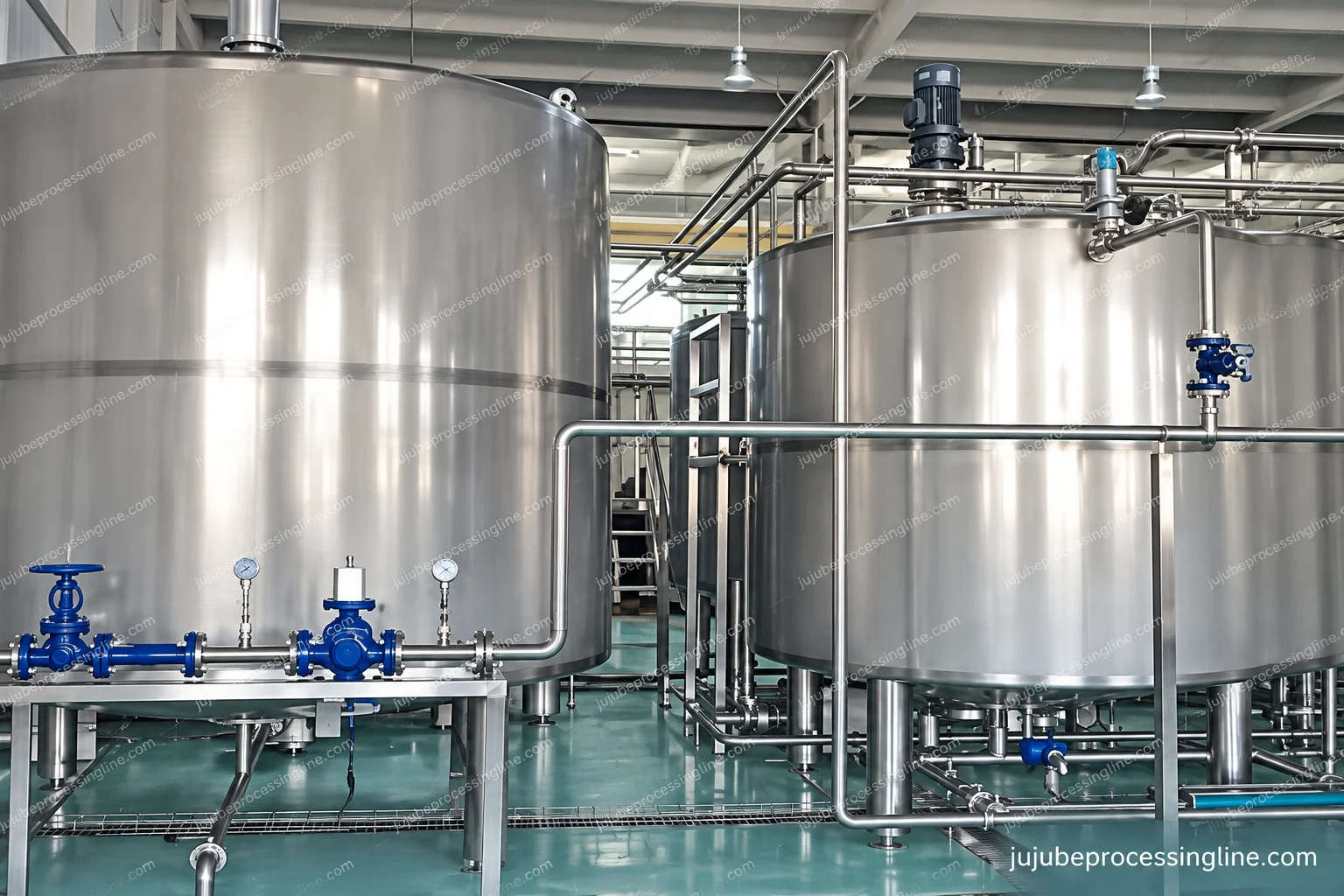
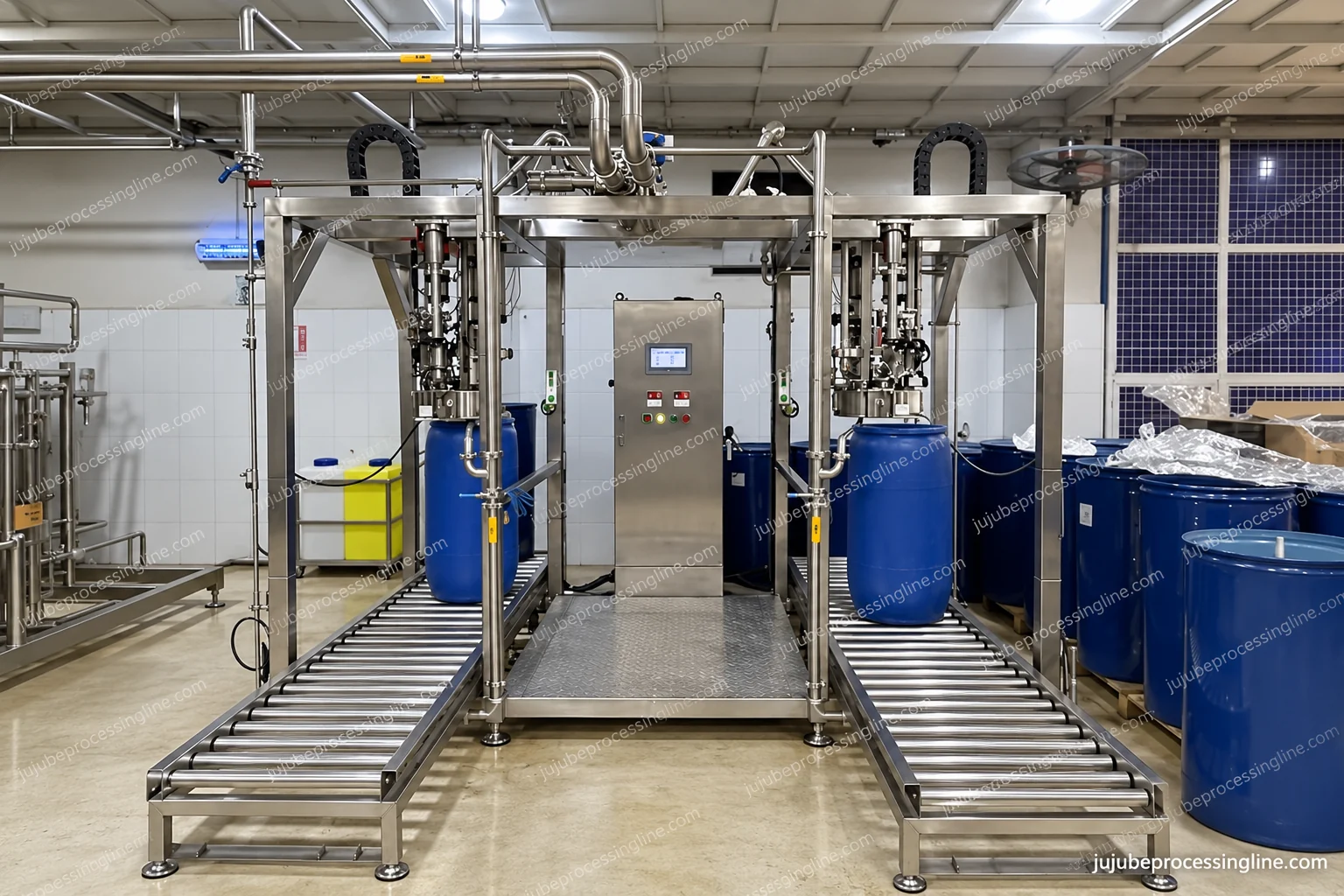
A CIP enquiry should identify the tanks, product pipes, treatment paths and compatible filling connections it serves. Open washing baths, conveyors and reject areas need their own accessible cleaning arrangement. Listing the actual contact surfaces makes the skid scope more useful than describing it as cleaning the entire plant.
Match the sequence to deposits and compatibility
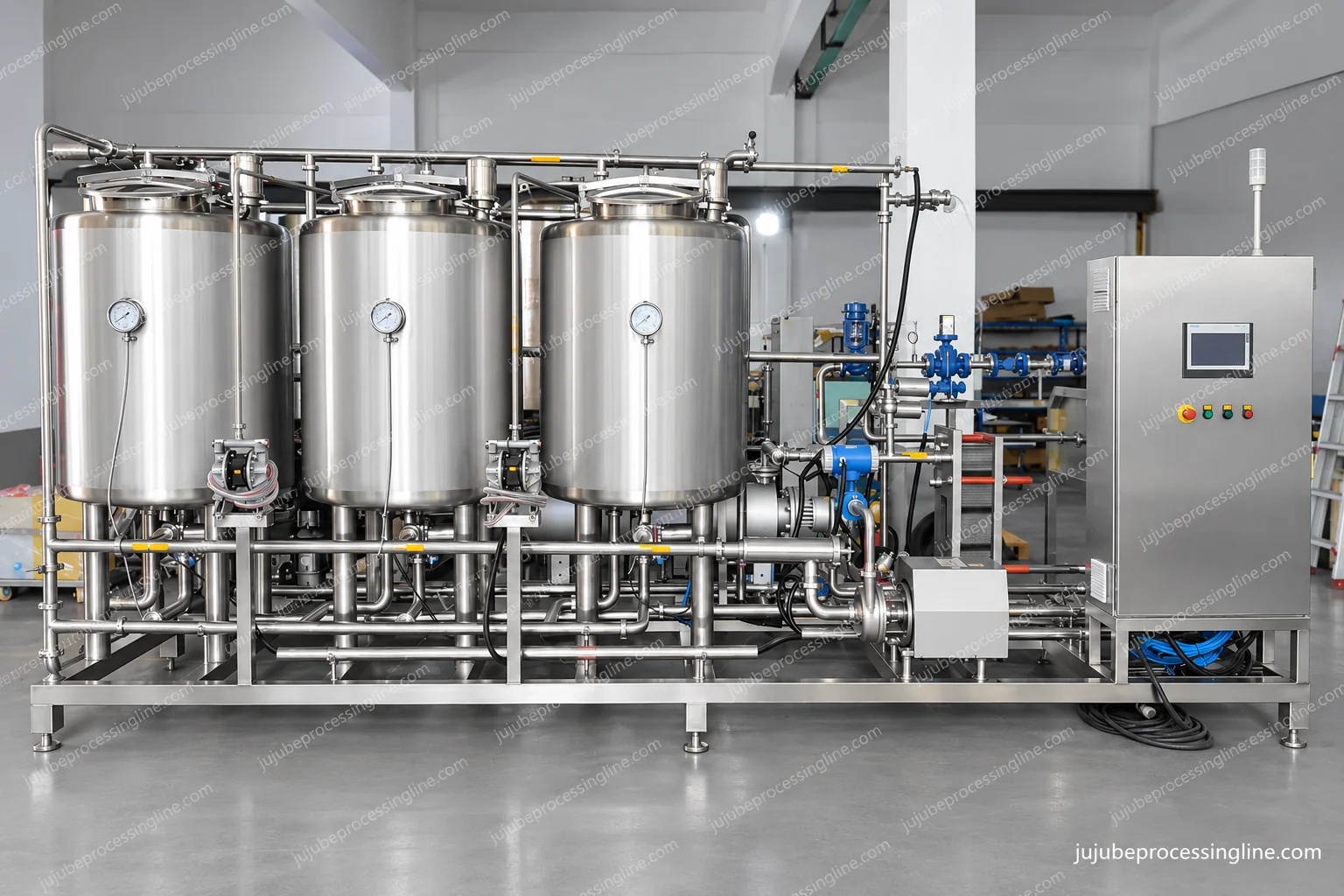
Product composition, concentration and run length influence the cleaning duty. State the deposits observed and the materials and seals in the selected equipment. Cleaning media, temperature, flow and sequence must be selected for that circuit; no universal recipe is implied by the presence of three tanks.
Design supply, return and complete drainage
The skid’s pumps and valves route cleaning media through named circuits. Agree which liquids are recovered, where the return enters and how discharge is managed. Product and cleaning streams need defined separation. Check low points and retained liquid rather than relying only on the skid’s tank arrangement.
Check access and control responsibilities
Provide access to tanks, pump seals, valves, instruments and isolation points. Identify which circuit valves and controls are part of the skid supply and which remain on the customer equipment. A clear route and control schedule helps avoid incomplete cleaning boundaries at the machine interfaces.
Prepare the circuit information for quotation
Send the equipment list, pipe routes or lengths where available, utility conditions and cleaning objective. Describe whether one circuit or several sequences are needed and how cleaning performance will be assessed. Request the proposed connections, valve routing, cycle scope and acceptance responsibility for each selected circuit.